Tutankhamun
d. 1327 BC
- Died
- 1327 BC
- House
- 18th Dynasty
Biography
Tutankhamun (d. c. 1327 BC) ruled for only about a decade and accomplished little that contemporaries would have judged remarkable; the survival of his burial nearly intact made him the most famous of all pharaohs. Born Tutankhaten near the end of the Amarna period, he was a child of the heretic court. Genetic studies published in 2010 identified his father as the man buried in tomb KV55 — most plausibly Akhenaten, though the attribution is debated — and his mother as the "Younger Lady" of KV35, a full sister of his father whose name is unknown. He was thus a grandson of Amenhotep III and Tiye on both sides.
He came to the throne around 1336 BC, aged about nine, after the brief and obscure reigns of Smenkhkare and Neferneferuaten. He married Ankhesenamun, daughter of Akhenaten and Nefertiti and his own half-sister or close kinswoman, binding together the Amarna family's surviving lines. Real authority presumably lay with senior officials, above all the courtier Ay and the general Horemheb, both of whom would later wear the crown themselves.
The reign's defining policy was restoration. The court abandoned exclusive Aten worship, the king and queen changed their names to honor Amun, and the Restoration Stela proclaimed the reopening and re-endowment of the temples that Akhenaten had closed. Traditional cult, priesthoods, and royal building at Thebes resumed. Tutankhamun died around 1327 BC, aged about nineteen. His mummy shows a leg fracture, and the genetic study detected malaria; proposed causes of death remain conjectural. Two stillborn daughters buried with him left him without an heir, and Ay succeeded.
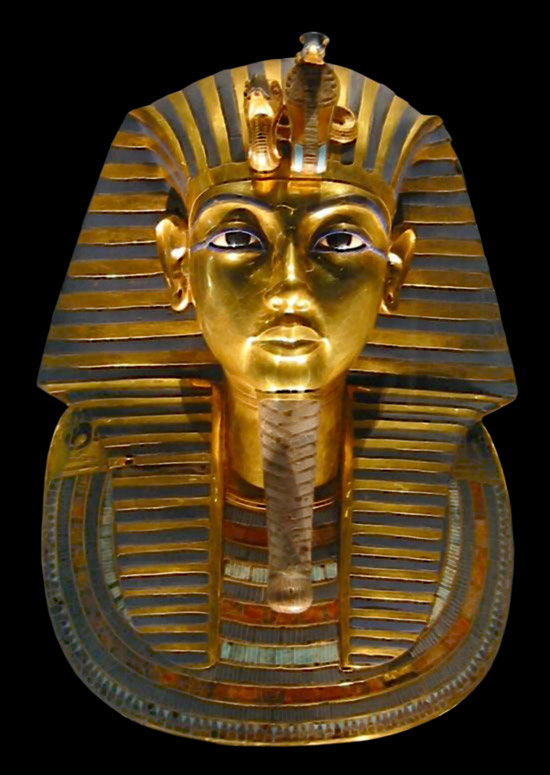
He was interred in KV62, a small tomb perhaps intended for someone else, and within a generation his memory was suppressed along with the rest of the Amarna kings. Obscurity preserved him. When Howard Carter, excavating for Lord Carnarvon, uncovered the tomb's steps in November 1922, it proved to be the only substantially intact royal burial ever found in the Valley of the Kings, and its more than five thousand objects, including the gold funerary mask, reshaped both Egyptology and the public imagination.
Updated June 2026 · How we research
Connections across houses
Place Tutankhamun in the wider world of ruling houses.
Recommended Reading
Affiliate disclosure: the links below go to Amazon searches. As an Amazon Associate, Dynastica earns from qualifying purchases.