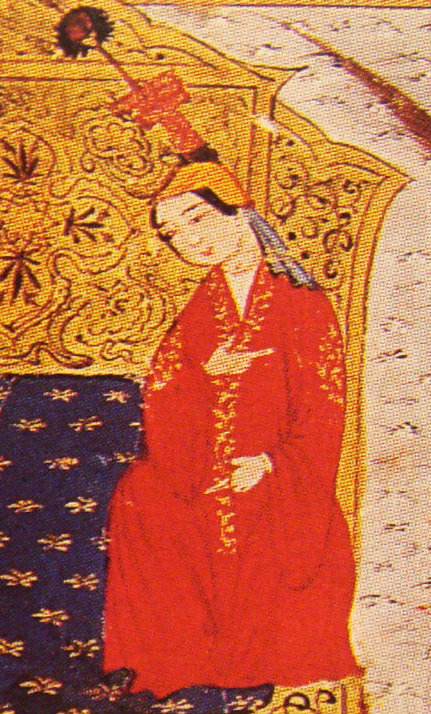
Sorghaghtani Beki
Сорхагтани бэхи
Princess of the Mongols · Regent of the Toluid Lands
1190 – 1252
- Born
- 1190
- Died
- 1252
- House
- Mongol Empire
Biography
Sorghaghtani Beki never held the title of khan, yet she shaped the Mongol Empire's ruling line more decisively than most who did. A princess of the Keraite people and a niece of their ruler Toghrul (Ong Khan), she was given in marriage to Tolui, youngest son of Genghis Khan, after the Mongol conquest of the Keraites. Like many Keraites she was a Christian of the Church of the East, a faith she maintained throughout her life while supporting Buddhist, Daoist, and Muslim institutions in the lands her family governed.
She bore Tolui four sons: Möngke, Kublai, Hulagu, and Ariq Böke. After Tolui's death in 1232, she declined remarriage and took charge of his appanage in northern China, reportedly resisting proposals that would have folded her household into other branches of the family. Contemporary and near-contemporary writers, including Persian historians of the Ilkhanate, praised her administration: she protected the Chinese peasantry of her territories from excessive exactions, recognizing that a taxed but intact population yielded more than a plundered one, and she had each of her sons educated and given experience of government.
Her decisive political act came in the contest over the imperial succession. After the death of Güyük Khan in 1248, she allied with Batu, the senior prince of the Jochid line and master of the Golden Horde, to transfer the great khanship from the house of Ögedei to her own. The kurultai of 1251 elected her eldest son Möngke, a result secured by Batu's backing and followed by a purge of Ögedeid and Chagataid opponents.
Sorghaghtani Beki died in early 1252 and so did not witness the full consequences of the Toluid triumph, but every major Mongol throne save the Golden Horde eventually passed to her descendants. Möngke ruled as great khan until 1259; Kublai founded the Yuan dynasty in China; Hulagu established the Ilkhanate in Persia; and Ariq Böke contested the succession of 1260. Through these four sons she became the ancestor of the dynasties that governed most of Eurasia in the later thirteenth century, and both Christian and Muslim chroniclers of the period rank her among the most capable figures of the Mongol ruling house.
Updated June 2026 · How we research
Connections across houses
Place Sorghaghtani Beki in the wider world of ruling houses.
Recommended Reading
Affiliate disclosure: the links below go to Amazon searches. As an Amazon Associate, Dynastica earns from qualifying purchases.