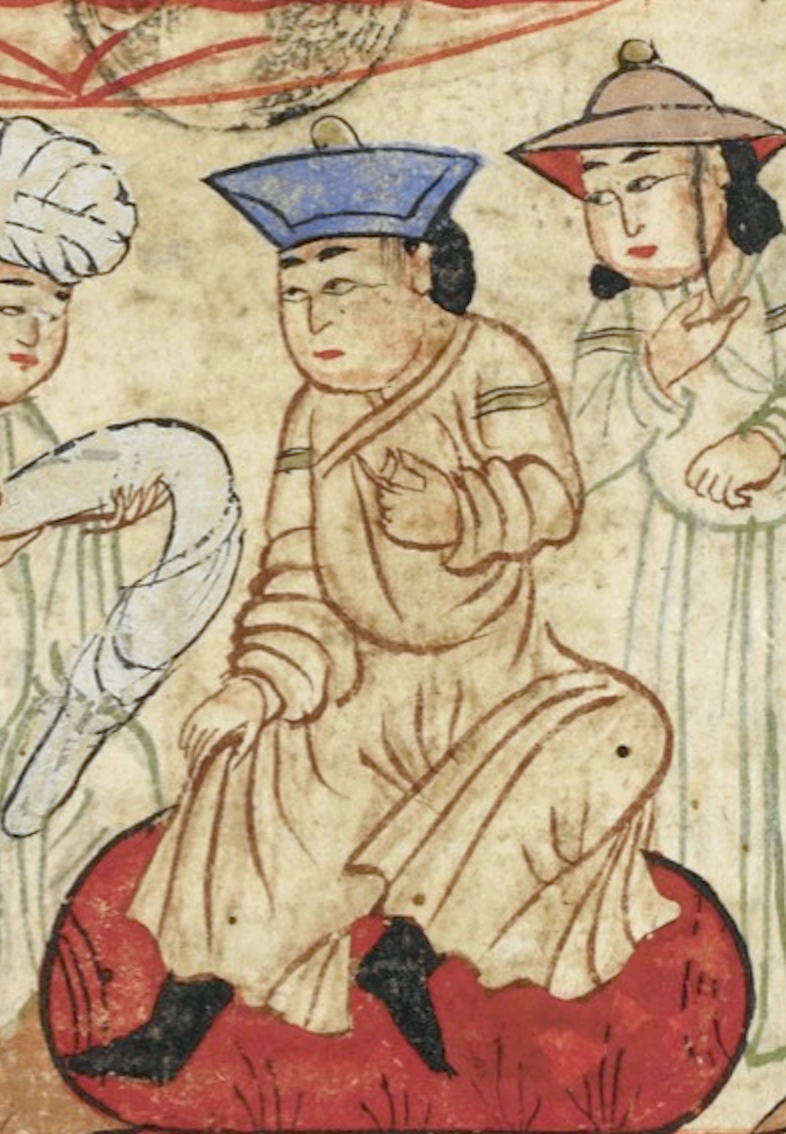
Ahmad Sanjar
Sultan of the Great Seljuk Empire · Ruler of Khorasan
1086 – 1157
- Born
- 1086
- Died
- 1157
- Reign
- 1118 – 1157
- House
- Seljuk Dynasty
Biography
Ahmad Sanjar ruled longer than any other Seljuk and outlived the world that had produced him. A younger son of Malik-Shah I, he was installed as ruler of Khorasan around 1097, still a boy, and held the east through the civil wars of his brothers Berkyaruq and Muhammad Tapar, generally backing Muhammad. When Muhammad died in 1118, Sanjar asserted seniority over his nephew Mahmud II, defeated him at Saveh in 1119, and took the title of supreme sultan, leaving the western Seljuks of Iraq and Persia as a subordinate line. He ruled from Merv, and for three decades he was the dominant power of the eastern Islamic world, arbitrating the affairs of Karakhanid Transoxiana, Ghaznavid Ghazna, and the rising Khwarazmshahs.
The limits of Seljuk reach showed first in the west. In August 1121 a large coalition assembled under Seljuk auspices — Artuqid, Shirvanian, and Turkmen forces answering appeals against the resurgent kingdom of Georgia — was routed at Didgori by King David IV, whose army destroyed it in the mountain approaches west of Tbilisi. The city fell to the Georgians the following year, and the Caucasus, a Seljuk sphere since Alp Arslan, was lost to a Christian power for generations.
The east broke later and harder. In 1141, on the Qatwan steppe near Samarkand, Sanjar's army was annihilated by the Kara Khitai, Buddhist nomads newly arrived from the Chinese frontier; Transoxiana was lost, and the legend of the defeat reached Crusader Europe transmuted into tales of Prester John. Worse followed in 1153, when the Oghuz Turkmen of Balkh — tribesmen of the very stock that had founded the dynasty — defeated and captured Sanjar. He was held captive for three years, reportedly displayed on a throne by day and caged by night, while the Oghuz sacked Merv and Nishapur, gutting the great cities of Khorasan.
Sanjar escaped in 1156 but found his capital ruined and his authority beyond recovery. He died at Merv in May 1157, about seventy years old, and was buried there in a vast domed mausoleum that still stands. With him the Great Seljuk sultanate effectively ended; the western line persisted under atabeg control until 1194, but the east dissolved into the hands of Khwarazm.
Updated June 2026 · How we research
Connections across houses
Place Ahmad Sanjar in the wider world of ruling houses.
Recommended Reading
Affiliate disclosure: the links below go to Amazon searches. As an Amazon Associate, Dynastica earns from qualifying purchases.