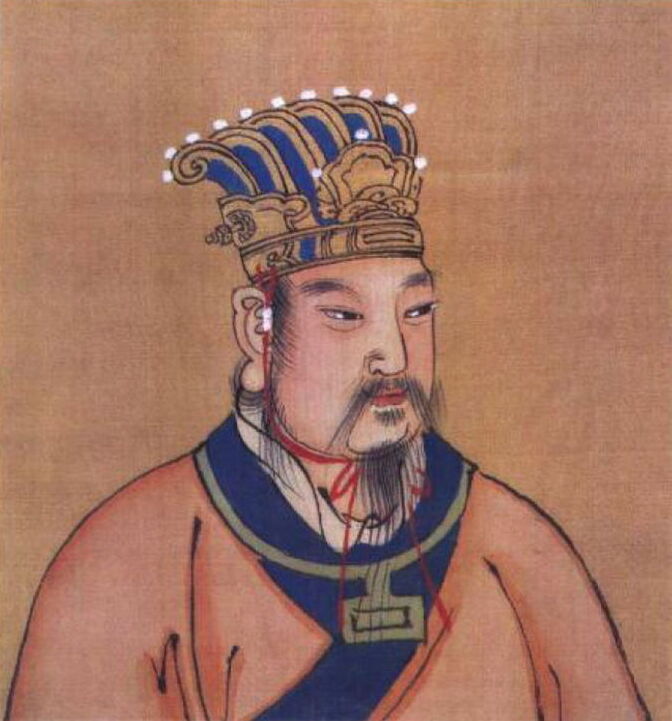
King Wen
1152 BC – 1056 BC
- Born
- 1152 BC
- Died
- 1056 BC
- House
- Zhou
Biography
Revered in later Chinese tradition as a model of sage rulership, King Wen of Zhou (traditionally c. 1152-1056 BC) was the leader of the Zhou people in the generation before their conquest of the Shang dynasty. Named Chang, he ruled the Zhou homeland in the Wei River valley as a regional lord — later sources style him Earl of the West — nominally subordinate to the Shang kings. The title "king" was applied to him posthumously by his descendants; whether he claimed it in life is uncertain. As a figure of the eleventh century BC, he stands at the edge of Chinese historical record: Zhou bronze inscriptions and later transmitted texts attest to his memory, but contemporary documentation of his career is sparse, and the traditional dates and narratives should be treated with caution.
According to the received accounts, Chang expanded Zhou power through alliances and campaigns against neighboring peoples, attracting able ministers and a reputation for benevolent government that drew lords away from the Shang. The Shang king Di Xin, alarmed at his growing influence, is said to have imprisoned him at Youli. Tradition holds that during this confinement he arranged the sixty-four hexagrams and composed the judgments of the Zhouyi, the divinatory core of the I Ching — an attribution that gave the classic its canonical authority, though modern scholarship regards the text's formation as longer and more complex.
Released after his supporters presented gifts to the Shang court, Chang resumed the consolidation of the west, reportedly moving his capital to Feng and securing the loyalty of much of the Wei valley and beyond. He died before the conquest could be undertaken, leaving the campaign to his son Fa, who overthrew the Shang at the battle of Muye and reigned as King Wu. Another son, Dan, the Duke of Zhou, became the dynasty's great consolidator.
In Zhou ideology and the later Confucian tradition, King Wen became the archetype of the ruler who wins the Mandate of Heaven through virtue rather than force, the civil (wen) complement to his son's martial (wu) achievement. Confucius invoked him as the embodiment of cultivated kingship, ensuring that his name remained central to Chinese political thought for over two millennia.
Updated June 2026 · How we research
Connections across houses
Place King Wen in the wider world of ruling houses.
Recommended Reading
Affiliate disclosure: the links below go to Amazon searches. As an Amazon Associate, Dynastica earns from qualifying purchases.