Conflict·b. 1071
Battle of Manzikert
Overview
In August 1071 the Seljuk sultan Alp Arslan met a large Byzantine field army near Manzikert, north of Lake Van, in what is now eastern Turkey. The emperor Romanos IV Diogenes had marched east to recover fortresses on the Armenian frontier and to check the raids that Turkmen bands had been pressing into Anatolia for two decades. Alp Arslan, who had been campaigning toward Fatimid Syria, turned back to meet him and offered terms; Romanos refused.
The battle itself, fought on 26 August, ended in a Byzantine collapse. The Seljuk forces used feigned withdrawals to draw the imperial line forward over the course of the day, and when Romanos ordered a retreat at dusk the maneuver dissolved into confusion. The rearguard under Andronikos Doukas, a political rival of the emperor, withdrew from the field rather than cover the retreat, and the imperial center was enveloped. Romanos was wounded and captured, the first Roman emperor taken prisoner by a Muslim ruler in battle.
Alp Arslan treated his captive with marked courtesy, concluded a treaty involving tribute and territorial concessions, and released him after about a week. The settlement never took effect: Romanos was overthrown, blinded, and dead within a year, and the treaty died with him. The decade of Byzantine civil war that followed mattered more than the battle's casualties. Rival claimants hired Turkmen war bands and brought them across Anatolia as auxiliaries, and these groups stayed, settled, and carved out lordships. Within twenty years most of the plateau had passed out of imperial control, and a Seljuk principality, the Sultanate of Rum, was established with its eventual seat at Nicaea and later Konya. Manzikert thus opened Anatolia to Turkish settlement less by conquest than by the political disintegration it triggered.
Figures
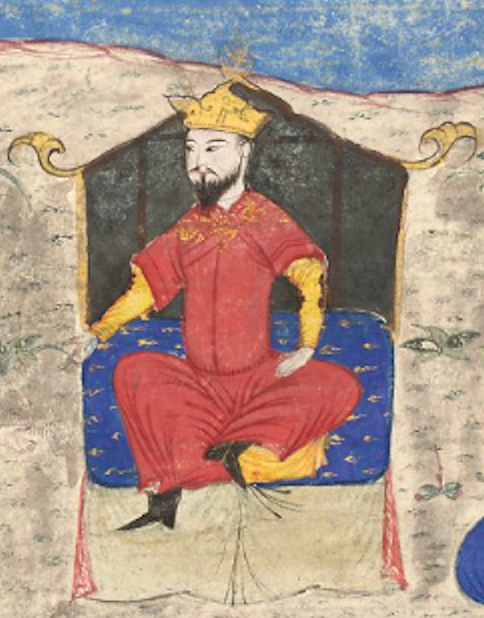
Events of the era
- Siege of Nicaeab. 1097