Conflict·1189 – 1192
Third Crusade
Overview
The destruction of the Latin army at Hattin and the surrender of Jerusalem in 1187 prompted the largest Western military response since the First Crusade. The papal call was answered by the three leading monarchs of Latin Europe: the emperor Frederick Barbarossa, who drowned crossing a river in Anatolia in June 1190, leaving his great army to disintegrate; Philip II of France; and Richard I of England, who had taken the cross as count of Poitou and inherited the Plantagenet dominions in 1189. Richard's journey east included the conquest of Cyprus from its Byzantine ruler in 1191, an acquisition that anchored Latin power in the eastern Mediterranean for centuries.
The two kings joined the long siege of Acre, which had been invested by Guy of Lusignan since 1189 while Saladin's army in turn surrounded the besiegers. The city fell in July 1191. Philip, ill and at odds with Richard, returned to France soon afterward, where his maneuvering against Plantagenet lands shaped the rest of the war. Richard marched south along the coast, defeating Saladin's attack at Arsuf in September 1191 and refortifying Jaffa and Ascalon, but twice advanced toward Jerusalem and twice withdrew, judging that the city could not be held even if taken while Saladin's field army survived.
Negotiations ran alongside the fighting, conducted largely through Saladin's brother al-Adil, and included proposals, never realized, for a marriage settlement involving Richard's sister. After Richard's relief of Jaffa in August 1192, both exhausted sides concluded the Treaty of Jaffa in September: a three-year truce confirming Latin control of the coast from Tyre to Jaffa, with Ascalon demolished, and guaranteeing Christian pilgrims access to Jerusalem, which remained under Ayyubid rule. Richard sailed for home and was captured in Austria; Saladin died in Damascus in March 1193.
Figures
- S
Saladin (Salah al-Din Yusuf ibn Ayyub)
1137 – 1193·Ayyubid Dynasty
Ayyubid sultan; defended the conquests of 1187
- A
Al-Adil I (Sayf al-Din Abu Bakr)
1145 – 1218·Ayyubid Dynasty
Saladin's brother and chief negotiator
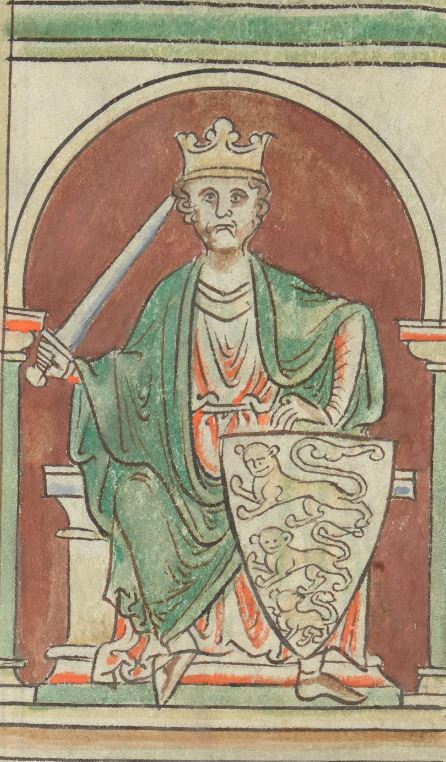
Richard I
1157 – 1199·Plantagenet
Principal crusade commander; victor at Acre and Arsuf
- P
Philip II Augustus
1165 – 1223·Capetian
Co-leader; departed after the fall of Acre
Events of the era
- Battle of Hattinb. 1187
- Siege of Jerusalemb. 1187
- Battle of Bouvinesb. 1214
- Magna Cartab. 1215
- Marriage of Henry II and Eleanor of Aquitaineb. 1152