Shajar al-Durr
Sultana of Egypt
d. 1257
- Died
- 1257
- Reign
- 1250 – 1250
- House
- Ayyubid Dynasty
Biography
Shajar al-Durr — 'Tree of Pearls' — rose from slavery to become the only woman to rule Egypt as sultan in the Islamic era, the hinge between the Ayyubid and Mamluk regimes. Of Turkic, possibly Kipchak, origin, she was purchased for the household of as-Salih Ayyub, shared his captivity at Kerak in 1239, bore him a son named Khalil who died in infancy, and was freed and married by the sultan, becoming his most trusted political partner.
Her capacity revealed itself in the crisis of 1249. When as-Salih died at Mansura on 22 November with the crusade of Louis IX of France advancing through the Delta, Shajar al-Durr, with the commander Fakhr al-Din and the chief eunuch, concealed the death, had documents issued over the dead sultan's forged signature, and kept the army intact until the heir Turanshah could arrive from the Jazira. The deception held through the battle of Mansura and contributed materially to the crusade's destruction.
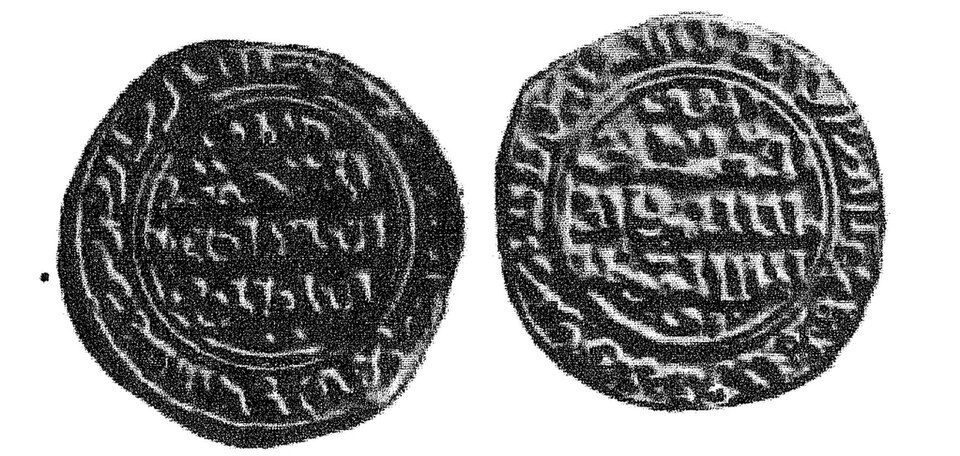
Turanshah's ingratitude toward his father's establishment ended with his murder by the Bahri mamluks in May 1250, and the regiments turned to the widow who had steered the war. Shajar al-Durr was proclaimed sultana of Egypt, with coins struck in her name and her name pronounced in the Friday sermon — styled, in deference to convention, mother of Khalil and wife of as-Salih. The reign lasted about three months. The Abbasid caliph in Baghdad refused recognition of a woman's sultanate, and the Syrian Ayyubids rejected Cairo's new order outright. She resolved the impasse by abdicating in favor of the Mamluk commander Izz al-Din Aybak, whom she married, transferring legitimacy to the new regime while retaining much of its substance: she continued to manage state papers and finances through the seven years of Aybak's sultanate.
The partnership ended in mutual destruction. In April 1257, learning that Aybak intended a marriage alliance with a Zangid princess of Mosul, she had him murdered in his bath. The mamluks of Aybak's faction seized her within days; she was beaten to death, by the famous account with wooden clogs by the slave women of Aybak's first wife, and her body cast from the Cairo citadel. She was buried in the tomb-madrasa she had built for herself, which still stands in Cairo.
Updated June 2026 · How we research
Events
- Conflict
Seventh Crusade
1248 – 1250· as Concealed the sultan's death; proclaimed sultana after the coupLouis IX of France took the cross after a grave illness in 1244, the year Jerusalem was lost to Khwarazmian raiders and the Ayyubid sultan as-Salih Ayyub crushed the Latin-Syrian coalition at La Forbie. The crusade he assembled was the best-financed and best-organized of the century, directed not at Palestine but at Egypt, the center of Ayyubid power. The army landed in June 1249 and took Damietta, at the mouth of the Nile, almost without resistance after its garrison fled. As-Salih Ayyub, already mortally ill, died in November 1249 as the crusaders advanced up the Delta. His widow, Shajar al-Durr, concealed the sultan's death with the cooperation of senior commanders, issuing orders under his name while the heir, Turanshah, traveled from the Jazira. In February 1250 the crusader vanguard under the king's brother Robert of Artois forced the channel at Mansurah and charged into the town, where it was annihilated in street fighting by the Bahriyya mamluk regiment; Robert was killed. The main army held its ground but could go no farther, and with its river supply line cut by Egyptian galleys, disease and hunger forced a retreat. In April 1250 the army was overwhelmed near Fariskur and Louis was taken prisoner. The king was ransomed for a vast sum and the return of Damietta, and sailed to Acre, where he spent four years fortifying the Latin coastal towns before returning to France in 1254. The crusade's deeper consequence unfolded in Cairo: in May 1250 the Bahriyya murdered Turanshah, weeks after his accession, and Shajar al-Durr was proclaimed sultana, soon yielding power to the mamluk commander Aybak whom she married. The coup ended Ayyubid rule in Egypt and founded the Mamluk sultanate that would dominate the region for over 250 years.
Also there: Louis IX, As-Salih Ayyub (Najm al-Din), Turanshah (al-Muazzam Turanshah)
Connections across houses
Place Shajar al-Durr in the wider world of ruling houses.
Recommended Reading
Affiliate disclosure: the links below go to Amazon searches. As an Amazon Associate, Dynastica earns from qualifying purchases.