Conflict·1248 – 1250
Seventh Crusade
Overview
Louis IX of France took the cross after a grave illness in 1244, the year Jerusalem was lost to Khwarazmian raiders and the Ayyubid sultan as-Salih Ayyub crushed the Latin-Syrian coalition at La Forbie. The crusade he assembled was the best-financed and best-organized of the century, directed not at Palestine but at Egypt, the center of Ayyubid power. The army landed in June 1249 and took Damietta, at the mouth of the Nile, almost without resistance after its garrison fled.
As-Salih Ayyub, already mortally ill, died in November 1249 as the crusaders advanced up the Delta. His widow, Shajar al-Durr, concealed the sultan's death with the cooperation of senior commanders, issuing orders under his name while the heir, Turanshah, traveled from the Jazira. In February 1250 the crusader vanguard under the king's brother Robert of Artois forced the channel at Mansurah and charged into the town, where it was annihilated in street fighting by the Bahriyya mamluk regiment; Robert was killed. The main army held its ground but could go no farther, and with its river supply line cut by Egyptian galleys, disease and hunger forced a retreat. In April 1250 the army was overwhelmed near Fariskur and Louis was taken prisoner.
The king was ransomed for a vast sum and the return of Damietta, and sailed to Acre, where he spent four years fortifying the Latin coastal towns before returning to France in 1254. The crusade's deeper consequence unfolded in Cairo: in May 1250 the Bahriyya murdered Turanshah, weeks after his accession, and Shajar al-Durr was proclaimed sultana, soon yielding power to the mamluk commander Aybak whom she married. The coup ended Ayyubid rule in Egypt and founded the Mamluk sultanate that would dominate the region for over 250 years.
Figures
- A
As-Salih Ayyub (Najm al-Din)
1205 – 1249·Ayyubid Dynasty
Sultan of Egypt; died during the campaign
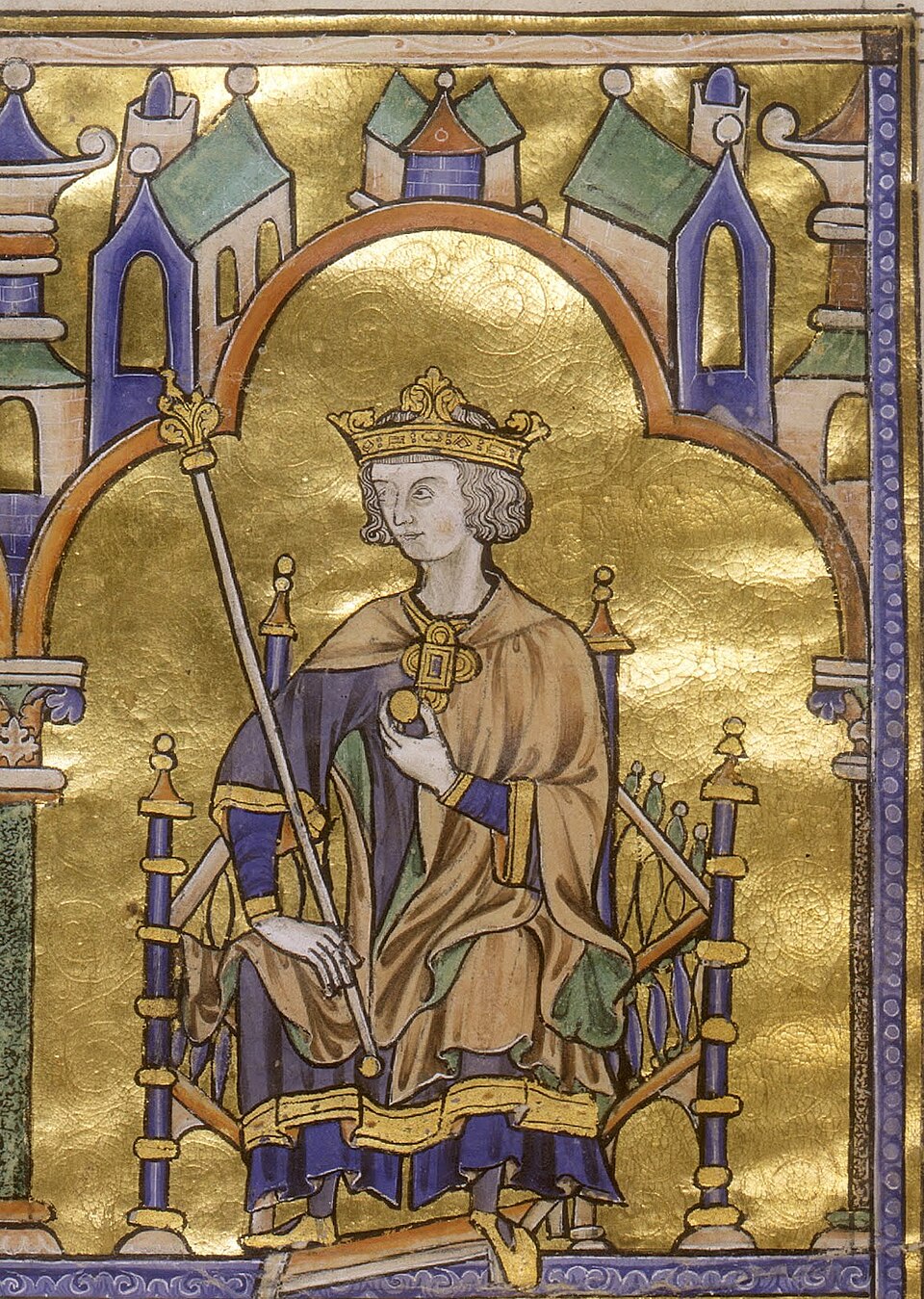
Louis IX
1214 – 1270·Capetian
Crusade leader; captured during the retreat and ransomed
- T
Turanshah (al-Muazzam Turanshah)
d. 1250·Ayyubid Dynasty
Heir who won at Mansurah; murdered by the Mamluks
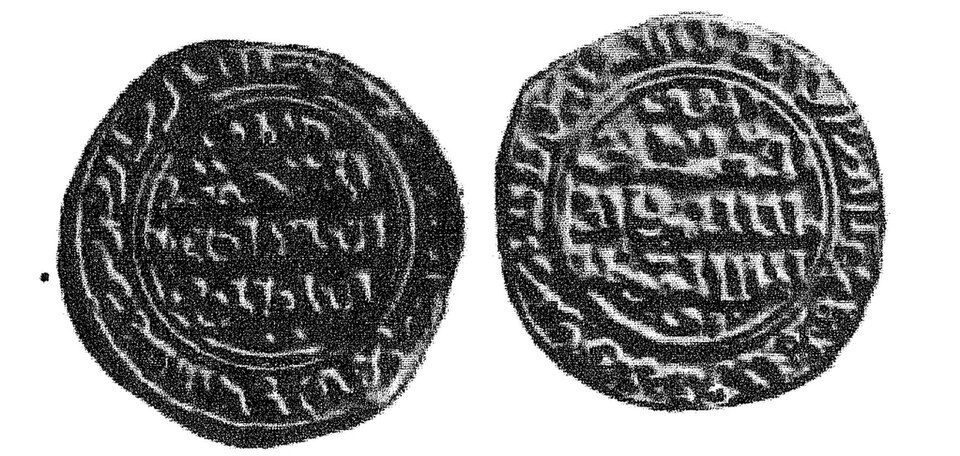
Shajar al-Durr
d. 1257·Ayyubid Dynasty
Concealed the sultan's death; proclaimed sultana after the coup
Events of the era
- Sack of Baghdadb. 1258
- Battle of Ain Jalutb. 1260
- Treaty of Jaffab. 1229
- Founding of the Yuan Dynastyb. 1271
- Magna Cartab. 1215