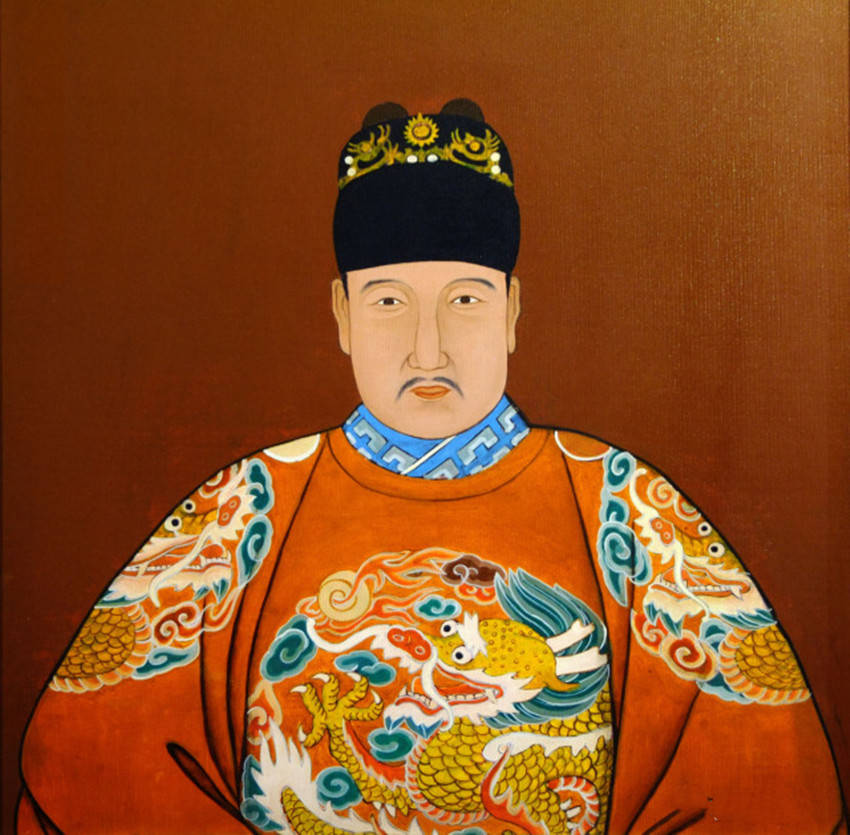
Zhu Biao
d. 1392
- Died
- 1392
- House
- Ming
Biography
Heir apparent of the Ming dynasty for a quarter century, Zhu Biao (1355-1392) was the eldest son of Zhu Yuanzhang, the Hongwu Emperor, and was identified as his father's successor from the dynasty's beginning. Born while his father was still a regional rebel commander contending for power in the Yangtze valley, he was named crown prince in 1368, the year the Ming was proclaimed, when he was about thirteen years old. Tradition associates his mother with Empress Ma, the Hongwu Emperor's principal consort, though some later scholarship has questioned the attribution.
His education was entrusted to leading Confucian scholars of the early Ming court, including Song Lian, one of the principal literary figures of the era. The result, according to the received accounts, was a prince of markedly different temperament from his father: lenient, scholarly, and inclined toward conciliation. Ming sources record repeated friction between the crown prince and the emperor over the severity of the latter's purges and punishments, with Zhu Biao interceding for accused officials and for his younger brothers when they fell under suspicion. How far these anecdotes reflect later idealization of the "humane heir" is difficult to judge, but they shaped his posthumous reputation.
From the 1370s onward the emperor delegated increasing administrative responsibility to him, allowing the crown prince to review memorials and adjudicate routine business as a form of apprenticeship in government. In 1391 he was sent to inspect Shaanxi, in part to assess Xi'an as a possible new capital. He fell ill after returning from this journey and died in 1392, predeceasing his father by six years.
His death created the succession problem that dominated the dynasty's next decade. Rather than designate one of his surviving sons, the Hongwu Emperor adhered to primogeniture and elevated Zhu Biao's son Zhu Yunwen as heir; the grandson took the throne in 1398 as the Jianwen Emperor. The arrangement bypassed the emperor's powerful adult sons, above all Zhu Di, Prince of Yan, whose rebellion overthrew Zhu Yunwen in 1402. Zhu Biao was posthumously honored as an emperor by his son, a title later rescinded under the Yongle Emperor.
Updated June 2026 · How we research
Connections across houses
Place Zhu Biao in the wider world of ruling houses.
Recommended Reading
Affiliate disclosure: the links below go to Amazon searches. As an Amazon Associate, Dynastica earns from qualifying purchases.