Ming
Imperial China · 1368 – 1644
Lineage
5 figures- Zhu Biaod. 1392
- Hongwu Emperor (Zhu Yuanzhang)1328 – 1398
- Zhu Biaod. 1392
- Yongle Emperor (Zhu Di)1360 – 1424
All figures
- Hongwu Emperor (Zhu Yuanzhang)1328 – 1398
- Yongle Emperor (Zhu Di)1360 – 1424
- Empress Ma?
- Jianwen Emperor (Zhu Yunwen)?
- Zhu Biaod. 1392
Related events
The Yuan dynasty, founded by Kublai Khan as the Chinese state of the Mongol imperial house, unraveled during the long reign of Toghon Temür, its last emperor to rule from China. From the 1340s the dynasty faced catastrophic Yellow River floods, famine, debased paper currency, and factional purges at court that consumed its ablest ministers. The Red Turban risings that broke out in 1351 fragmented central control over the Yangzi valley, and by the 1360s real power in north China itself lay with semi-independent warlords nominally loyal to the throne, while the court was divided by a succession struggle around the crown prince. Among the southern rebel leaders, Zhu Yuanzhang, a former peasant and sometime Buddhist novice who had risen through a Red Turban army, eliminated his major rivals in the 1360s, defeating Chen Youliang at the lake battle of Poyang in 1363 and extinguishing Zhang Shicheng's state at Suzhou in 1367. Master of the Yangzi valley, he proclaimed the Ming dynasty at Nanjing in January 1368, taking the reign name Hongwu, and dispatched his general Xu Da on a northern expedition. The Ming advance through Shandong and Henan met little coordinated resistance. In September 1368, as the army approached Dadu (modern Beijing), Toghon Temür left the capital with his court and fled north through the passes to Shangdu, and the city fell without a siege. The emperor died in 1370 at Yingchang on the steppe margin. His successors maintained the Yuan imperial title in Mongolia, a polity historians call the Northern Yuan, and the Ming would campaign against it for decades. In Chinese dynastic terms, however, 1368 marks the transfer of the Mandate: the end of a century of Mongol rule and the founding of a native dynasty that held China until 1644.
Also involved: Yuan (Lost China; the court withdrew to the steppe as the Northern Yuan)
See also
Same region
Same era
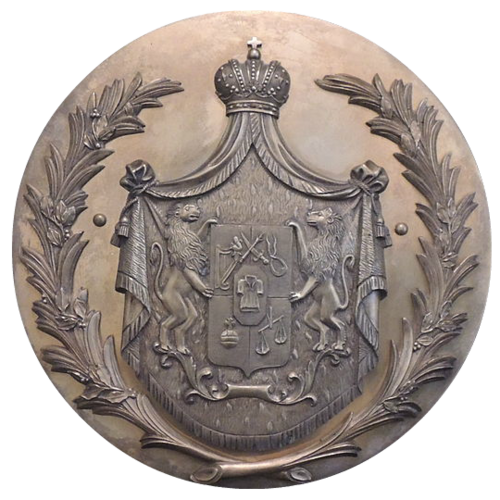 Bagrationi
Georgia (Caucasus) · 780 – 1810
- Khmer Empire
Southeast Asia / Cambodia · 802 – 1431
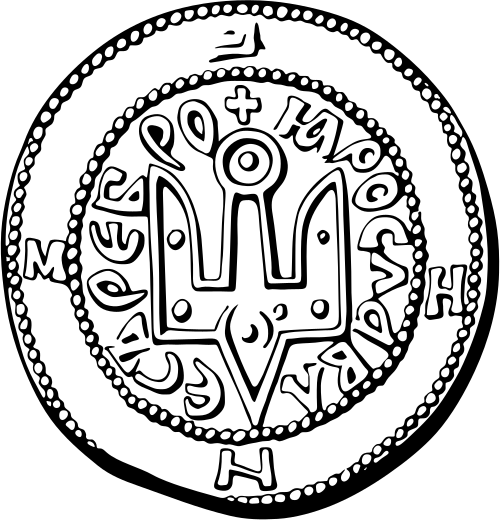 Rurikid
Russia / Eastern Europe · 862 – 1610
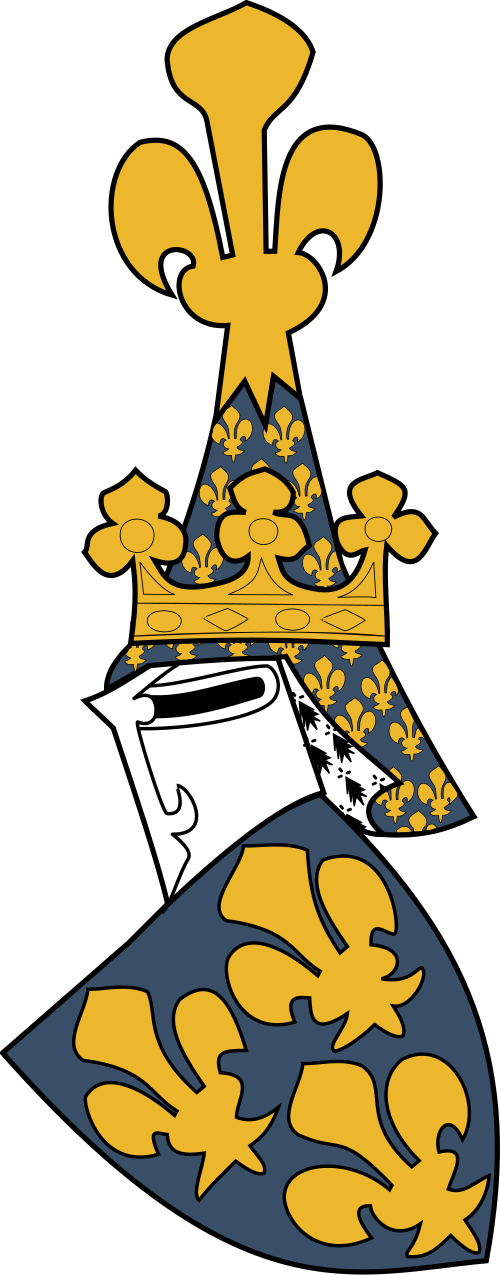 Capetian
France · 987 – 1328
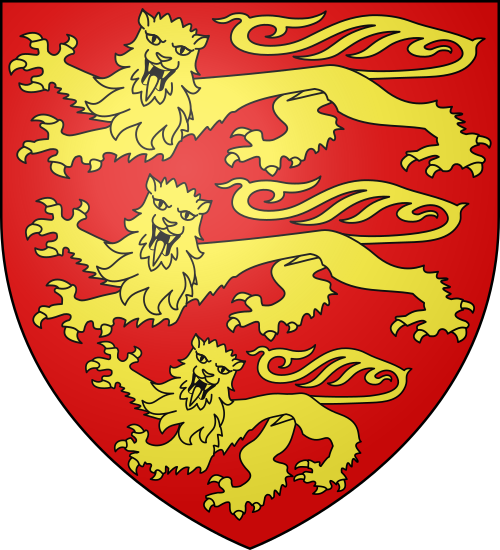 Plantagenet
England · 1154 – 1485
- Mongol Empire
Mongol Empire / Eurasian Steppe · 1206 – 1368