Event·b. 1914
Assassination at Sarajevo
Overview
On 28 June 1914 the Archduke Franz Ferdinand, heir presumptive to the Austro-Hungarian throne, and his wife Sophie, Duchess of Hohenberg, were shot dead in Sarajevo by Gavrilo Princip, a nineteen-year-old Bosnian Serb. The archduke was in Bosnia, annexed by Austria-Hungary in 1908, to observe army maneuvers. Princip belonged to a group of young conspirators associated with the Yugoslavist movement in Bosnia, armed and trained with the involvement of officers of the Serbian secret society known as the Black Hand; the degree of the Serbian government's own knowledge has been debated ever since. The first attempt that morning, a thrown bomb, wounded members of the entourage; the fatal shots came when the archduke's car, on a changed route to visit the wounded, stopped and reversed within feet of Princip.
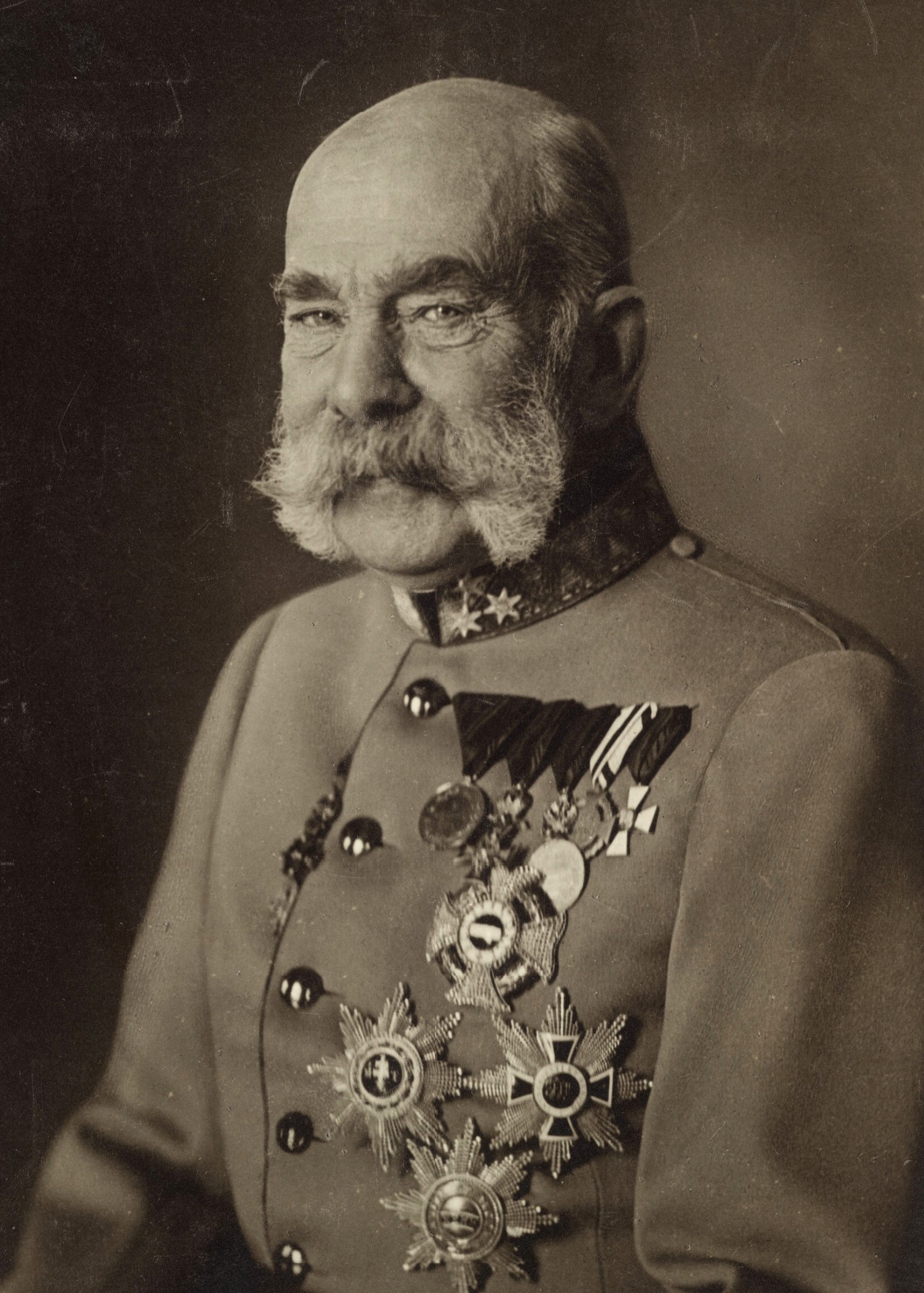
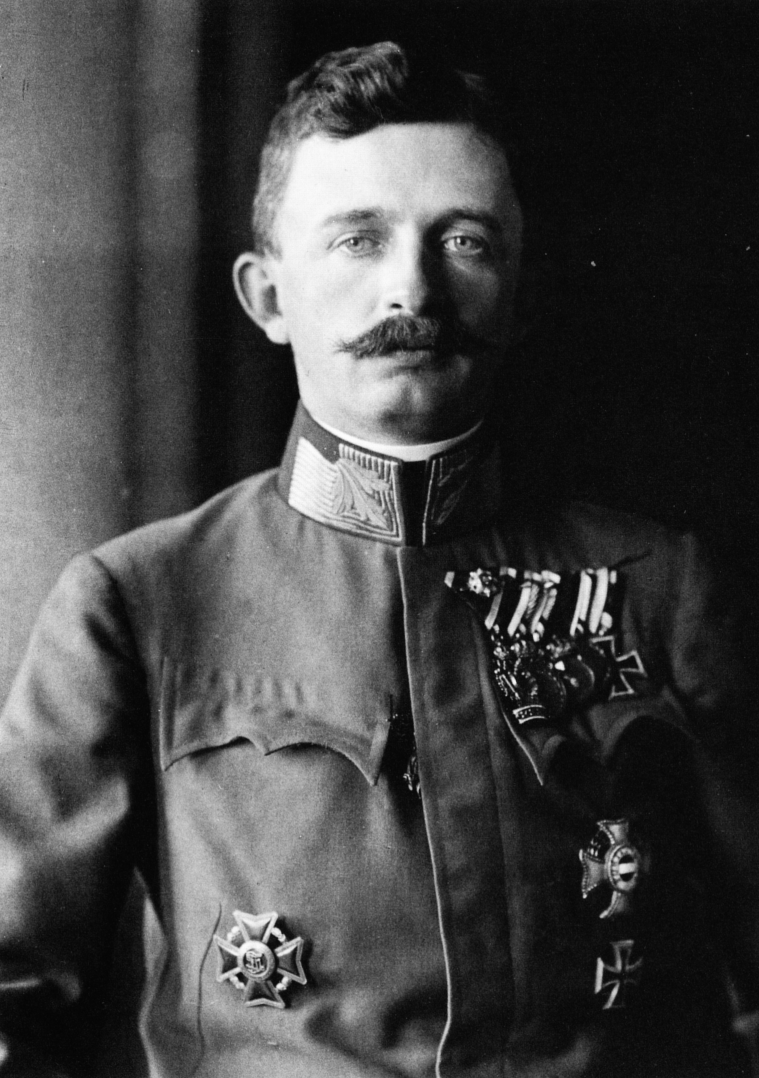
For the house of Habsburg the murder compounded a succession already strained. Franz Joseph I, then eighty-three and on the throne since 1848, had lost his only son Rudolf by suicide in 1889; Franz Ferdinand's children were excluded from the succession by his morganatic marriage, so the heirship passed to the emperor's young great-nephew, the Archduke Karl.
The diplomatic consequences unfolded over the following month. Vienna's leadership, with an unconditional assurance of German support, resolved to use the crime to settle accounts with Serbia, and on 23 July presented an ultimatum framed to be refused. Serbia's reply accepted most demands; Austria-Hungary judged it insufficient and declared war on 28 July, with Franz Joseph's manifesto "To my peoples" announcing the decision. The mobilization of Russia in Serbia's defense drew in Germany and France within days, and Britain followed upon the invasion of Belgium. Franz Joseph died in 1916, and Karl, the last Habsburg emperor, could not extract the monarchy from the war that the July crisis had begun; it dissolved in 1918.
Figures
Events of the era
- Fall of Austria-Hungaryb. 1918