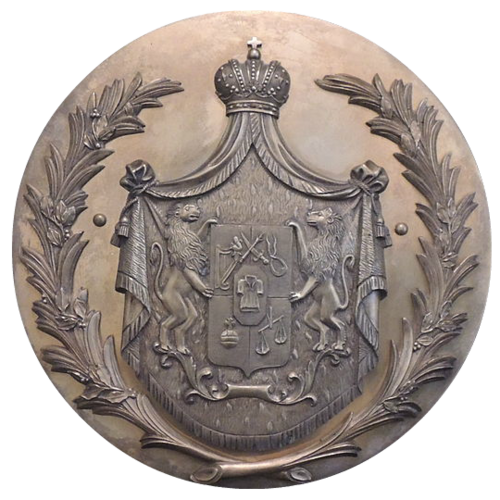
Bagrationi
ბაგრატიონი
Georgia (Caucasus) · 780 – 1810
Overview
The Bagrationi were the royal house of Georgia for over a thousand years — by a wide margin the longest continuously reigning dynasty in Christian history, and one of the longest-reigning royal lines in the world. From the late ninth century, when the first Bagrationi prince Adarnase IV took the title King of the Georgians, until the formal Russian annexation of Kartli-Kakheti in 1801, an unbroken male-line descent occupied the Georgian throne. By comparison the Capetian senior line of France lasted 341 years; the Habsburgs 645; the Romanovs 304. Only the Yamato dynasty of Japan has reigned longer in a comparable royal capacity.
The Bagrationi origin myth — recorded in medieval Georgian chronicles and accepted by every Georgian monarch as a fact of dynastic legitimacy — claimed descent from the Biblical King David and so from the royal house of ancient Israel. Modern scholarship treats the claim as a tenth-century legitimating fiction, but the dynasty's actual historical origin (probably as Bagratid Armenian princes who moved north into Georgia in the eighth century) is itself unusually old and well documented. The first Bagrationi rulers governed initially as princes of Tao-Klarjeti, on the borderlands between the Georgian, Armenian, and Byzantine worlds.
The dynasty's golden age was the reign of David IV "the Builder" (1089–1125) and his great-granddaughter Queen Tamar (1184–1213). David expelled the Seljuk Turks from Georgia, retook Tbilisi from its Muslim emirs after four centuries of occupation, and built a unified Georgian kingdom stretching from the Black Sea to the Caspian. Tamar's reign saw the cultural and territorial apex: Shota Rustaveli's epic The Knight in the Panther's Skin, the great frescoed cathedrals of late medieval Georgia, and a sphere of influence reaching deep into Anatolia and Persia.
After the Mongol invasions of the thirteenth century the unified kingdom fragmented into three smaller kingdoms (Kartli, Kakheti, Imereti) and several principalities, each ruled by a separate Bagrationi branch. The line persisted through Mongol overlordship, Timurid raids, Ottoman and Persian pressure, and centuries of border wars. In 1783 Erekle II of Kartli-Kakheti accepted Russian suzerainty under the Treaty of Georgievsk; his son Giorgi XII died in 1800, and the following year the Russian Empire annexed the kingdom outright. The Bagrationi continued as Russian princes through the imperial period and continue today; the current head of the royal house is Davit Bagrationi (b. 1976), residing in Tbilisi.
Updated May 2026 · How we research
Lineage
62 figures- Demetrius I of Georgia1093 – 1156
- David V of Georgiad. 1155
- Demne1155 – 1178
- George III of Georgiad. 1184
- Tamar the Great1160 – 1213
- George IV Lasha1191 – 1223
- David VII Ulu1215 – 1270
- Demetrius II the Self-Sacrificing1259 – 1289
- David VIII of Georgia1273 – 1311
- George V the Brilliant1286 – 1346
- David IX of Georgiad. 1360
- Bagrat V of Georgiad. 1393
- George VII of Georgiad. 1407
- Constantine I of Georgiad. 1412
- Alexander I the Great of Georgia1386 – 1446
- Vakhtang IV of Georgia1413 – 1446
- George VIII of Georgiad. 1476
- Rusudan of Georgia1194 – 1245
- David VI Narin1225 – 1293
- Vakhtang II of Georgiad. 1292
- Luarsab I of Kartlid. 1556
- Simon I of Kartli1537 – 1611
- Constantine II of Georgiad. 1505
- David X of Kartlid. 1526
- David III the Great of Taod. 1001
- Bagrat VI of Georgiad. 1478
- Ashot I the Greatd. 826
- Adarnase II of Iberiad. 870
- Bagrat I of Tao-Klarjetid. 876
- David I Curopalatesd. 881
- Adarnase IV of Iberiad. 923
- David II of Iberiad. 937
- Sumbat I of Iberiad. 958
- Bagrat II of Iberia937 – 994
- Gurgen of Iberiad. 1008
- Bagrat III of Georgia960 – 1014
- George I of Georgia998 – 1027
- Bagrat IV of Georgia1018 – 1072
- George II of Georgia1054 – 1112
- David IV the Builder1073 – 1125
- Demetrius I of Georgia1093 – 1156
- David V of Georgiad. 1155
- Demne1155 – 1178
- George III of Georgiad. 1184
- Tamar the Great1160 – 1213
- George IV Lasha1191 – 1223
- David VII Ulu1215 – 1270
- Demetrius II the Self-Sacrificing1259 – 1289
- David VIII of Georgia1273 – 1311
- George V the Brilliant1286 – 1346
- David IX of Georgiad. 1360
- Bagrat V of Georgiad. 1393
- George VII of Georgiad. 1407
- Constantine I of Georgiad. 1412
- Alexander I the Great of Georgia1386 – 1446
- Vakhtang IV of Georgia1413 – 1446
- George VIII of Georgiad. 1476
- Rusudan of Georgia1194 – 1245
- David VI Narin1225 – 1293
- Vakhtang II of Georgiad. 1292
- Martha of Georgia1053 – 1118
- David Soslan1158 – 1207
- George IV Lasha1191 – 1223
- David VII Ulu1215 – 1270
- Demetrius II the Self-Sacrificing1259 – 1289
- David VIII of Georgia1273 – 1311
- George V the Brilliant1286 – 1346
- David IX of Georgiad. 1360
- Bagrat V of Georgiad. 1393
- George VII of Georgiad. 1407
- Constantine I of Georgiad. 1412
- Alexander I the Great of Georgia1386 – 1446
- Vakhtang IV of Georgia1413 – 1446
- George VIII of Georgiad. 1476
- Rusudan of Georgia1194 – 1245
- David VI Narin1225 – 1293
- Vakhtang II of Georgiad. 1292
- Rostom of Kartli1565 – 1658
- Luarsab II of Kartli1592 – 1622
- Vakhtang V of Kartli1618 – 1676
- George XI of Kartli1651 – 1709
- Vakhtang VI of Kartli1675 – 1737
- Vakhushti Bagrationi1696 – 1757
- Teimuraz II of Kakheti1700 – 1762
- Erekle II of Georgia1720 – 1798
- George XII of Georgia1746 – 1800
- Solomon I of Imereti1735 – 1784
- Solomon II of Imereti1772 – 1815
All figures
- Bagrat II of Iberia937 – 994
- Bagrat III of Georgia960 – 1014
- George I of Georgia998 – 1027
- Bagrat IV of Georgia1018 – 1072
- Martha of Georgia1053 – 1118
- George II of Georgia1054 – 1112
- David IV the Builder1073 – 1125
- Demetrius I of Georgia1093 – 1156
- Demne1155 – 1178
- David Soslan1158 – 1207
- Tamar the Great1160 – 1213
- George IV Lasha1191 – 1223
- Rusudan of Georgia1194 – 1245
- David VII Ulu1215 – 1270
- David VI Narin1225 – 1293
- Demetrius II the Self-Sacrificing1259 – 1289
- David VIII of Georgia1273 – 1311
- George V the Brilliant1286 – 1346
- Alexander I the Great of Georgia1386 – 1446
- Vakhtang IV of Georgia1413 – 1446
- Simon I of Kartli1537 – 1611
- Rostom of Kartli1565 – 1658
- Luarsab II of Kartli1592 – 1622
- Vakhtang V of Kartli1618 – 1676
- George XI of Kartli1651 – 1709
- Vakhtang VI of Kartli1675 – 1737
- Vakhushti Bagrationi1696 – 1757
- Teimuraz II of Kakheti1700 – 1762
- Erekle II of Georgia1720 – 1798
- Solomon I of Imereti1735 – 1784
- George XII of Georgia1746 – 1800
- Solomon II of Imereti1772 – 1815
- Adam?
- Adarnase I of Tao-Klarjeti?
- Adarnase II of Iberiad. 870
- Adarnase IV of Iberiad. 923
- Ashot I the Greatd. 826
- Bagrat I of Tao-Klarjetid. 876
- Bagrat V of Georgiad. 1393
- Bagrat VI of Georgiad. 1478
- Constantine I of Georgiad. 1412
- Constantine II of Georgiad. 1505
- David I Curopalatesd. 881
- David II of Iberiad. 937
- David III the Great of Taod. 1001
- David IX of Georgiad. 1360
- David V of Georgiad. 1155
- David X of Kartlid. 1526
- George III of Georgiad. 1184
- George VII of Georgiad. 1407
- George VIII of Georgiad. 1476
- Gurgen of Iberiad. 1008
- Latori?
- Luarsab I of Kartlid. 1556
- Nerse?
- Sahac?
- Sumbat I of Iberiad. 958
- Unnamed Armenian Wife?
- Unnamed Bagrationi Daughter?
- Vakhtang II of Georgiad. 1292
- Vazavard?
- Waraz-Bakur?
Related events
- Conflict
Battle of Didgori
1121· this dynasty: Victorious royal house; the battle opened its golden ageBy the second decade of the twelfth century, David IV of Georgia had spent twenty years rebuilding his kingdom's army and clawing back territory from the Seljuk lordships that had dominated the Caucasus since the 1080s. He stopped paying tribute to the Seljuk sultanate, resettled tens of thousands of Kipchak nomad families from the north Caucasus steppe to serve as a standing military force, and pressed in on Tbilisi, which had been under Muslim rule for four centuries and was by then governed by its own urban elders under loose Seljuk protection. Appeals from Tbilisi and from neighboring Muslim rulers brought a response sanctioned by the Seljuk sultanate: a coalition army assembled under the Artuqid ruler Ilghazi of Mardin, a commander with a recent and considerable reputation, joined by forces from Shirvan and other regional powers. Medieval figures for its size are not credible, but it substantially outnumbered the Georgian army, which contemporary sources place at several tens of thousands, including the Kipchak corps and a small contingent of Western knights. On 12 August 1121 David met the coalition in the narrow valleys at Didgori, west of Tbilisi, where broken ground prevented the larger army from deploying its numbers. The Georgian attack broke the coalition's order early in the engagement, and the battle became a pursuit; Georgian tradition remembers it as the "miraculous victory." The strategic results were immediate and durable. David took Tbilisi the following year and moved his capital there, ending Seljuk power north of the Araxes, and the battle marks the opening of Georgia's golden age, in which the Bagrationi monarchy stood as the dominant power of the Caucasus for the next century.
Also involved: Seljuk Dynasty (Sanctioned the coalition that was routed)
See also
Same region
Same era
- Khosroid
Iberia (Caucasus) · 580 – 786
- Tang Dynasty
Imperial China · 618 – 907
- Khazar
Caspian Steppe / Eurasia · 650 – 969
- Umayyad Caliphate
Syria / Damascus / Spain · 661 – 750
 Abbasid Caliphate
Middle East / Mesopotamia · 750 – 1258
- Carolingian
Frankish Empire / Holy Roman Empire · 751 – 987