Dynastica

Late Medieval dynasties (1301–1500)

From the Black Death to the eve of European overseas empires.

17 dynasties

Bagrationi

Georgia (Caucasus) · 780 – 1810

The Bagrationi dynasty was the royal house of Georgia, ruling the medieval Kingdom of Georgia from its unification in 1008 until the Russian annexation in 1801. Tracing its origins to the 8th century, it produced some of the most consequential monarchs of the Caucasus, including David IV the Builder and Tamar the Great, under whom Georgia entered its Golden Age.

85 figures

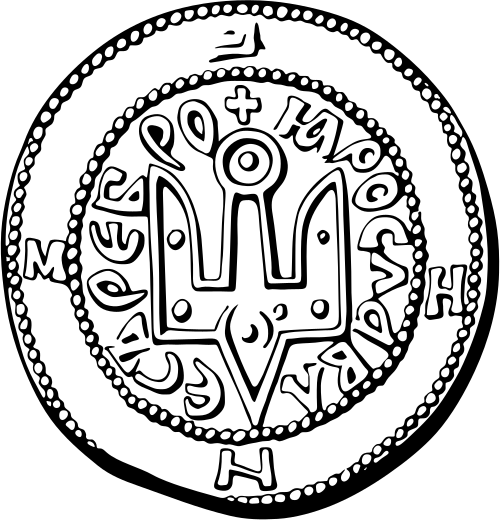
Rurikid

Russia / Eastern Europe · 862 – 1610

2 figures

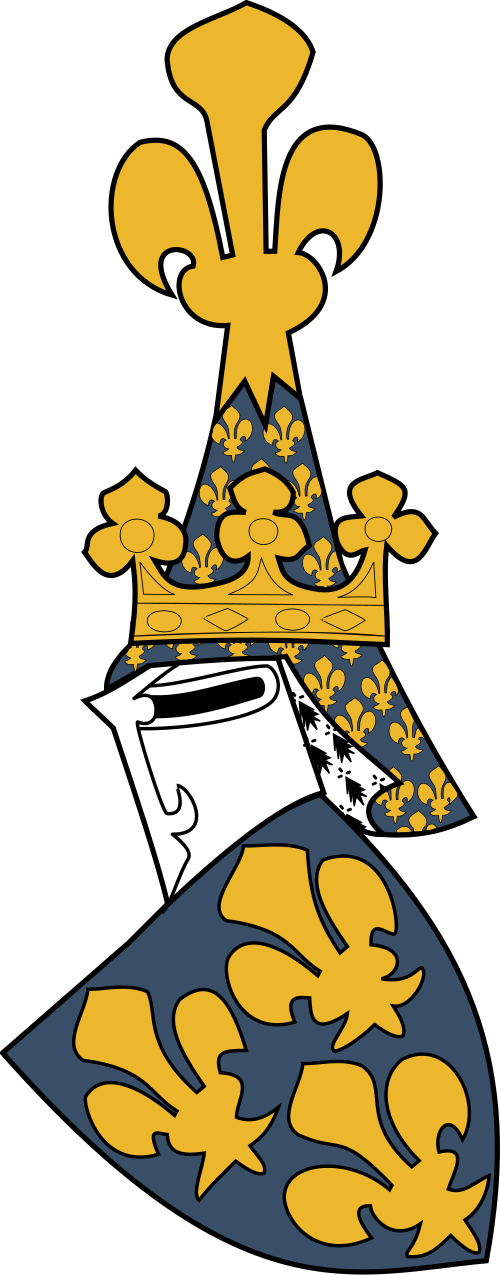
Capetian

France · 987 – 1328

The royal house that ruled France for 341 years, from Hugh Capet's election in 987 to the death of Charles IV in 1328. Beginning as a minor dynasty controlling little more than the Île-de-France, the Capetians transformed by patient inheritance, marriage, and conquest into the most powerful royal line in medieval Europe. The senior line ended when three brothers died sonless in succession, and the resulting disputed succession ignited the Hundred Years' War.

18 figures

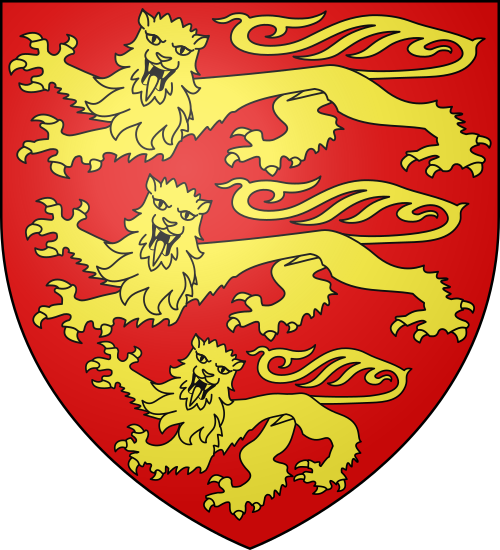
Plantagenet

England · 1154 – 1485

The royal house that ruled England for 331 years, from Henry II's accession in 1154 to Richard III's death at Bosworth Field in 1485. At its zenith under Henry II it controlled the Angevin Empire stretching from the Scottish border to the Pyrenees; at its end it split into the warring Lancaster and York branches whose dynastic struggle became the Wars of the Roses.

19 figures

Mongol Empire

Mongol Empire / Eurasian Steppe · 1206 – 1368

The largest contiguous land empire in human history, built in a single generation by Genghis Khan and his sons. At its 1279 peak it spanned from the Pacific to the Black Sea, ruling perhaps a hundred million people across China, Central Asia, Persia, Mesopotamia, and the Russian steppe. Within a century of its founding it had fragmented into four major khanates — the Yuan dynasty in China, the Ilkhanate in Persia, the Chagatai Khanate in Central Asia, and the Golden Horde over Russia — each ruled by descendants of Genghis.

14 figures

Keita Dynasty

West Africa · 1235 – 1670

The ruling house of the Mali Empire, which dominated West Africa from the 13th to 15th centuries. They controlled the trans-Saharan trade routes and held near-monopolies on gold and salt.

4 figures

Solomonic Dynasty

Horn of Africa / Ethiopia · 1270 – 1974

One of the longest-ruling royal houses in history, claiming direct descent from the biblical King Solomon and the Queen of Sheba.

2 figures

Yuan

China / East Asia · 1271 – 1368

The Mongol-founded dynasty that ruled all of China for nearly a century — the first time in Chinese history that the entire country was governed by a non-Han people. Established by Kublai Khan in 1271, the Yuan completed the conquest of the Southern Song in 1279 and made Khanbaliq (Beijing) its capital, hosting Marco Polo and binding the Pacific to the Mediterranean by Mongol post-roads. The dynasty collapsed under famine, plague, and Han rebellion in 1368, retreating to the steppe as the Northern Yuan.

8 figures

Austrian Habsburgs

Austria / Holy Roman Empire · 1273 – 1918

The senior Habsburg line, ruling from a single Swiss county at the time of Rudolf I's imperial election in 1273 to the abdication of Karl I in 1918. Between those endpoints they wore the Holy Roman crown almost continuously from 1438, brought Hungary and Bohemia into a single hereditary inheritance, weathered the Thirty Years' War and the Napoleonic dissolution of the Empire, and ruled the Austro-Hungarian dual monarchy until the First World War destroyed it. Their continental dominance was built less by conquest than by marriage — bella gerant alii, tu felix Austria, nube.

24 figures

Ottoman Empire

Anatolia / Balkans / Middle East · 1299 – 1922

One of history's most powerful states, bridging Europe, the Middle East, and North Africa for over 600 years.

3 figures

Ming

Imperial China · 1368 – 1644

5 figures

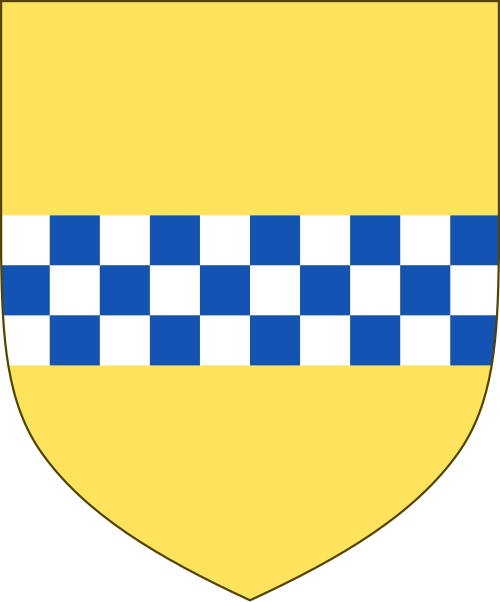
Stuart

Scotland and England · 1371 – 1714

The royal house of Scotland from 1371 and of England, Ireland, and ultimately Great Britain from 1603 to 1714. The Stuarts inherited the English throne through Margaret Tudor and lost it through a sequence of constitutional crises that produced the only public execution of an English king, the bloodless overthrow of another, and finally the parliamentary supremacy that defined the modern British state. The Acts of Union under the last Stuart, Queen Anne, fused England and Scotland into a single kingdom; her childless death ended the dynasty and brought the Hanoverians to London.

12 figures

Joseon Dynasty

Korean Peninsula · 1392 – 1897

The final and longest-lived imperial dynasty of Korea, known for its strong Neo-Confucian ideology and high cultural achievement.

3 figures

Aztec Empire

Mesoamerica / Mexico · 1428 – 1521

The Mexica polity centered on Tenochtitlan that, in alliance with Texcoco and Tlacopan, dominated central Mexico for ninety-three years before its destruction by Hernán Cortés. Built on tribute, religion, and the sustained terror of mass human sacrifice, at its 1519 height it ruled perhaps six million people across central and southern Mexico. The empire fell in two years to a Spanish force of less than a thousand soldiers, devastated by smallpox and outflanked by indigenous allies who hated Mexica rule even more than they feared the conquistadors.

9 figures

Inca Empire

Andes / South America · 1438 – 1572

Tawantinsuyu, the Land of the Four Quarters — the largest indigenous empire ever to arise in the Americas, stretching from southern Colombia to central Chile along the spine of the Andes. From Pachacuti's reorganization of a Cuzco kingdom into an imperial system in 1438, the Inca conquered or absorbed perhaps fifteen million people in less than a century. The empire collapsed within a decade of Spanish arrival in 1532 — undermined by smallpox, civil war, and the audacity of Francisco Pizarro's seizure of the emperor at Cajamarca.

9 figures

Songhai Empire

West Africa / Middle Niger · 1464 – 1591

The largest contiguous empire in West African history, which controlled the trans-Saharan gold and salt trade.

2 figures

Tudor

England · 1485 – 1603

The Welsh-Lancastrian house that took the English throne by force at Bosworth in 1485, ended the Wars of the Roses by marrying its rival into peace, and reshaped England in 118 years more decisively than any dynasty before it. Across five reigns the Tudors broke with Rome, founded the Church of England, suppressed the monasteries, defeated the Spanish Armada, and presided over the literary golden age of Shakespeare and Marlowe. The dynasty ended with Elizabeth I in 1603, the crown passing to her Stuart cousin in Edinburgh.

15 figures